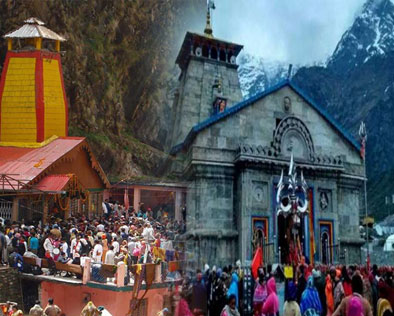
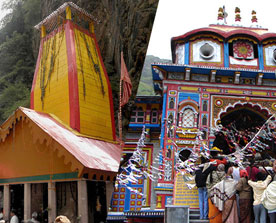
Yamunotri Dham, Uttarakhand
Yamunotri Dham is the first stop on the Chota Char Dham Yatra circuit in Uttarakhand, and for good reason. Perched at 3,291 metres in the Garhwal Himalayas within the Uttarkashi district, it is the sacred origin of the Yamuna River — one of the holiest rivers in Hindu tradition. Every year, thousands of devotees make this journey not just for religious merit, but because there is something genuinely moving about standing at the source of a river that has cradled Indian civilisation for millennia.
The presiding deity is Goddess Yamuna — daughter of the Sun god Surya and twin sister of Yama, the god of death. The belief is simple but powerful: those who take a dip in the Yamuna here are blessed with a long, disease-free life. Whether you are deeply devout or simply spiritually curious, Yamunotri has a way of staying with you.
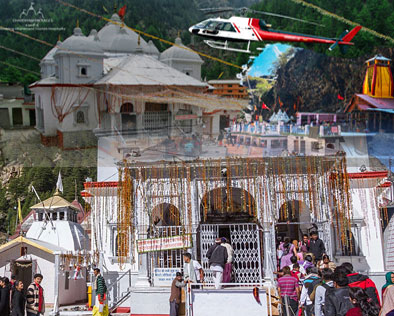
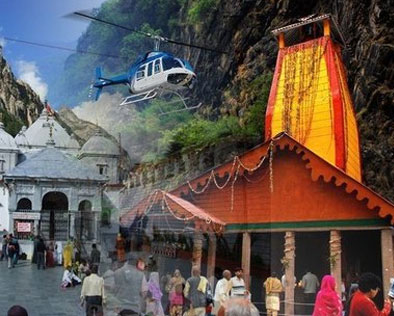
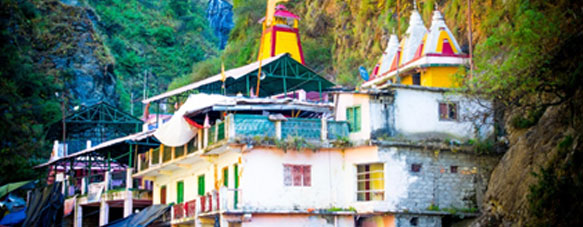
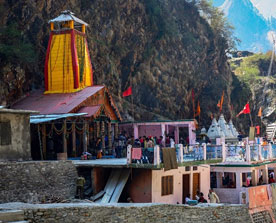
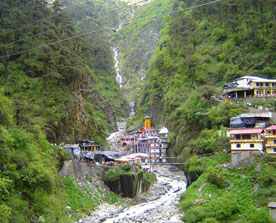
The temple sits in a narrow gorge surrounded by steep mountain walls, hot water springs steaming in the cold air, and the sound of the Yamuna rushing below. It is one of those places that feels genuinely untouched by modern life — even in peak pilgrim season.
History and Mythology of Yamunotri Temple
The origins of Yamunotri Dham are rooted deep in Hindu scripture. According to popular legend, the sage Asit Muni once lived near this very site. In his old age, when he was unable to travel to Gangotri, a second stream of the Ganga is said to have appeared here for him — a story that speaks to the site's deep spiritual significance.
The current temple structure was originally built by Amar Singh Thapa, a Gurkha general, in the 18th century. It was later damaged by natural calamities and extensively renovated in the 19th century by Maharani Guleria of Jaipur. The idol of Goddess Yamuna inside is carved from black marble — elegant in its simplicity, striking in its presence.
During winter, the region gets buried under snow. In that period, the idol is ceremonially moved to the village of Kharsali, about 7 km away, which serves as the winter seat of the goddess. Regular puja and Aarti continue there until the temple reopens after winter.
Best Time to Visit Yamunotri Dham
The temple opens every year on Akshaya Tritiya (usually late April or early May) and closes on Yama Dwitiya, the second day after Diwali (typically late October or early November). For 2026, the opening is expected on 19 April 2026 — Akshaya Tritiya.
Within the open season, two windows stand out:
| Season | When | What to Expect |
|---|---|---|
| Peak / Ideal | May – June | Pleasant weather, 5°C–18°C, clear skies. Crowded but spiritually charged. |
| Avoid | July – September | Monsoon. Heavy rainfall causes landslides and road blockages. |
| Best (off-peak) | September – October | Fewer crowds, cooler air, shorter queues. Ideal for a relaxed yatra. |
What most people don't realise is that September to October is often the sweet spot. The monsoon has cleared, the mountains look freshly washed, and you won't be standing in a darshan queue for two hours.
How to Reach Yamunotri Dham: Route Map & Directions
There is no direct road, rail, or air connection to Yamunotri. The last motorable point is Janki Chatti, from where you must trek 6 km to reach the temple. This is non-negotiable — and honestly, it is part of what makes the journey feel earned.
By Air
The nearest airport is Jolly Grant Airport in Dehradun, approximately 210 km from Janki Chatti. From the airport, you can hire a taxi or take state buses via Barkot to Janki Chatti. Helicopter services (Char Dham Yatra by Helicopter) are also available from Dehradun for those who prefer a faster journey.
By Train
Dehradun and Rishikesh are the two closest railway stations, both well-connected to major Indian cities. Rishikesh is roughly 200 km from Janki Chatti by road. From either station, hire a cab or take shared jeeps toward Barkot and then Janki Chatti.
By Road
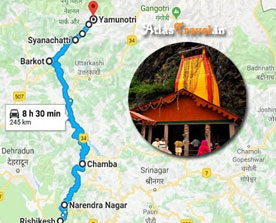
The most common route: Haridwar/Rishikesh → Dharasu → Barkot → Syanachatti → Janki Chatti. From Haridwar, the road distance is approximately 240 km and takes about 8–9 hours. State buses and private taxis run regularly during the yatra season.
| Route Segment | Distance | Travel Time | Mode |
|---|---|---|---|
| Delhi → Dehradun | ~300 km | 6–7 hrs | Train / Bus / Car |
| Dehradun → Barkot | ~170 km | 5–6 hrs | Taxi / Bus |
| Barkot → Janki Chatti | ~50 km | 1.5–2 hrs | Taxi / Shared Jeep |
| Janki Chatti → Temple (Trek) | 6 km | 2.5–3 hrs | Foot / Pony / Palki |
The 6 km Trek from Janki Chatti
The trail from Janki Chatti to Yamunotri is paved and has protective railings on the valley side. Shelters with seating and drinking water appear roughly every half kilometre. Shops selling food, snacks, and trekking sticks dot the route.
On the ground, the trek is moderate — not technically difficult, but the altitude (you cross 10,000 feet) makes it harder than it looks on paper. If you have not done any high-altitude walking before, pace yourself. Start early. Many first-timers underestimate the breathlessness.
For those who cannot walk or prefer not to, the following options are available at Janki Chatti's prepaid booking counter:
| Option | Who It's For | Approx. Fare (One Way) | Note |
|---|---|---|---|
| Pony / Horse | General pilgrims | ₹700–₹1,200 | Most common option |
| Palki (Palanquin) | Elderly / unable to walk | ₹2,500–₹4,000 | Carried by 4 porters |
| Kandi / Pitthu | Children / lightweight | ₹600–₹900 | Basket on porter's back |
Note: Rates are approximate and tend to rise during peak season. Always book from official prepaid counters to avoid overcharging.
Key Attractions at Yamunotri Dham
Yamunotri Temple
The spiritual centrepiece of the entire yatra. The temple houses a black marble idol of Goddess Yamuna and is flanked by the Divya Shila — a sacred rock pillar that pilgrims worship before entering the main shrine. It is a tradition not to skip this. The morning aarti begins at 6:30 AM and the evening aarti at 7:30 PM. Temple darshan runs from 6 AM to 8 PM.
Surya Kund
A boiling hot water spring right next to the temple — the most sacred of all the thermal springs here. Water temperature reportedly nears 190°F. Pilgrims tie rice and potatoes in a cloth and cook them in the Kund, then carry them home as prasad. The visual of people cooking at this natural spring, with snow-capped peaks in the background, is something you will not forget.
Saptarishi Kund
Located at an altitude of 4,421 metres, this glacial lake is regarded as the actual source of the Yamuna River. The trek from Yamunotri temple takes about 7–10 km and is not easy — but it's deeply rewarding for those with the stamina. Most standard yatra packages do not include this; it requires a separate, planned trek.
Yamunotri Yatra: Cost Breakdown
Budgeting honestly is important. Costs vary significantly based on where you start, how you travel, and your accommodation choices.
| Expense Head | Budget Range | Premium Range |
|---|---|---|
| Transport (Haridwar–Janki Chatti–return) | ₹600–₹1,000 (bus) | ₹4,000–₹7,000 (cab) |
| Accommodation (per night) | ₹500–₹800 (budget hotel) | ₹1,500–₹3,500 (deluxe) |
| Meals (per day) | ₹200–₹350 | ₹500–₹800 |
| Trek (on foot) | Free | Free |
| Pony / Palki (optional) | ₹700–₹1,200 | ₹2,500–₹4,000 |
| Biometric Registration | Free (online or at Janki Chatti) | Free |
A solo budget yatra from Haridwar can be done in under ₹3,000–₹4,000 for the round trip (excluding travel to Haridwar). A comfortable 2-day package from Delhi with hotel, meals, and cab generally runs ₹8,000–₹15,000 per person.
Practical Travel
- Biometric registration is mandatory. Complete it online at the Uttarakhand government portal, or at registration centres in Dehradun, Rishikesh, Haridwar, or at Janki Chatti itself. Keep your Aadhaar Card handy.
- Start the trek early — by 6 or 7 AM if possible. Afternoons often bring cloud cover and light rain even in May–June.
- Carry warm layers even in summer. Temperatures drop quickly after sunset, and the trek up is exposed to mountain winds.
- Wear good trekking shoes. Sandals or flat footwear will make the paved but steep sections genuinely difficult.
- Mobile network is patchy to nonexistent beyond Barkot. Inform family of your plans before you lose signal.
- Carry basic medicines: altitude sickness tablets (Diamox if prescribed), ORS sachets, a pain reliever, and plasters.
- Do not attempt the trek during or after heavy rain. The trail can get slippery and some sections become genuinely risky.
- Book accommodation in advance for May–June. Hotels at Janki Chatti and Barkot fill up fast during peak season.
FAQs
When will Yamunotri Dham open in 2026?
The Yamunotri temple is scheduled to open on 19 April 2026 (Akshaya Tritiya). Closing dates are typically announced closer to Diwali (expected late October 2026). Always verify through the official Uttarakhand Tourism portal before finalising your trip.
Is the Yamunotri trek suitable for senior citizens?
With the availability of ponies and palkis, even elderly pilgrims can complete the journey. That said, anyone with serious cardiac or respiratory conditions should consult a doctor beforehand. The altitude of 3,291 metres is not trivial.
Do I need special permits for Yamunotri?
No special permit is needed, but biometric registration is mandatory for the Char Dham Yatra. This can be completed free of cost online through the Uttarakhand government's Char Dham registration portal.
What is the Darshan timing at Yamunotri Temple?
The temple opens at 6:00 AM for morning Darshan. Evening Darshan runs from 3:00 PM to 9:30 PM approximately. Morning aarti: 6:30 AM. Evening Aarti: 7:30 PM.
Is it safe to travel to Yamunotri alone?
Yes, for the most part. The route is well-traveled during season and has regular police and SDRF checkpoints. Solo female travelers should exercise standard precautions. Avoid night trekking and always check road conditions before departing from base.
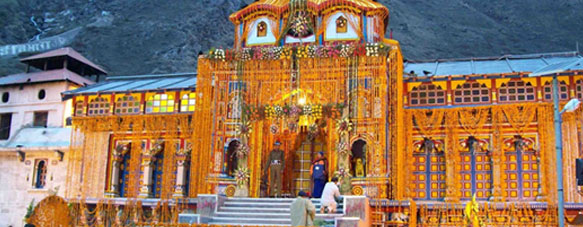
Yamunotri Tour Package